Account Security
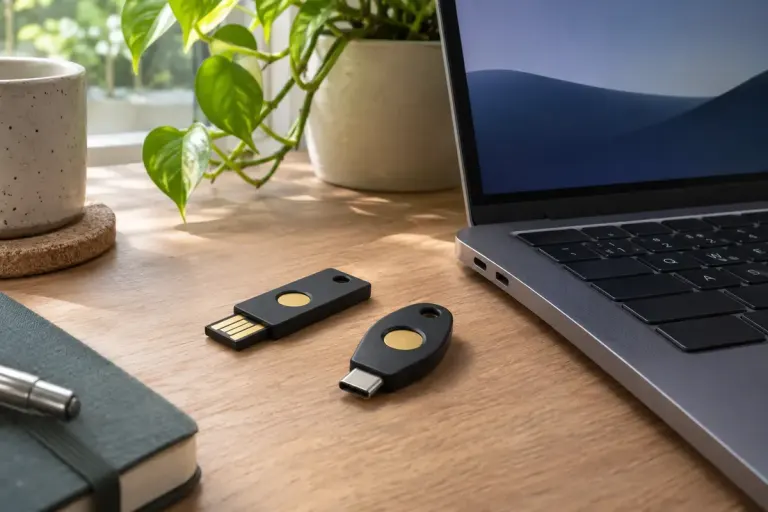
A Hardware Security Key’s PIN Is Not Your Account Password
A FIDO2 security-key PIN unlocks use of the authenticator; it is not your website password. Learn what to check before repeated guesses or a reset.

Practical security for everyday technology.
Review recovery methods and backup codes while you still have access, then store recovery material somewhere separate from the device it protects.
A FIDO2 security-key PIN unlocks use of the authenticator; it is not your website password. Learn what to check before repeated guesses or a reset.

Emergency access in a password manager can grant substantial permissions. Check the contact, access level and waiting period before relying on it.
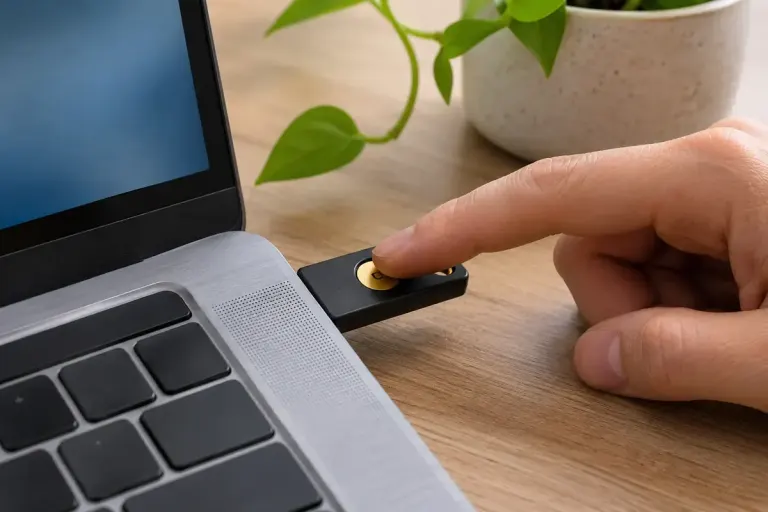
Understand the difference between touching a security key and fingerprint verification, including why biometric keys can support more than one mode.

WebAuthn attestation concerns an authenticator’s provenance during registration. Separate it from the proof used at sign-in and consider the privacy trade-off.

A malicious app can ask for account access through a genuine consent screen. Learn what to check and why changing a password may not remove a permission grant.
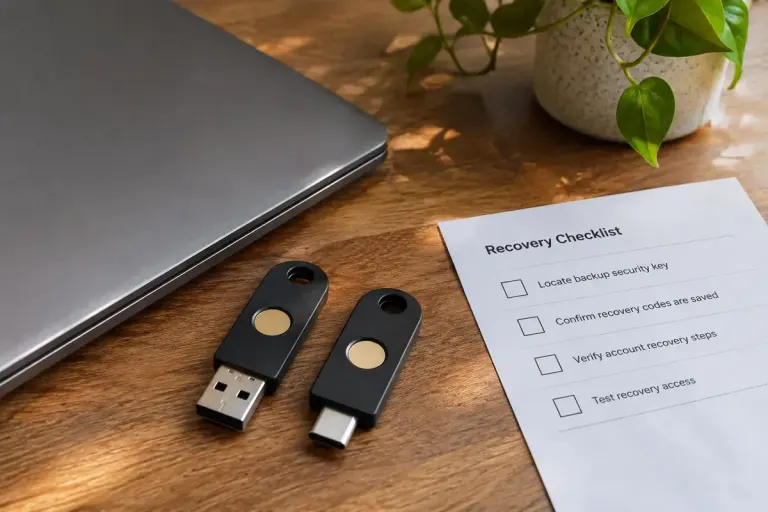
Security-key updates depend on the exact model and firmware process. Check the manufacturer’s instructions, recovery options and reset behaviour before starting.
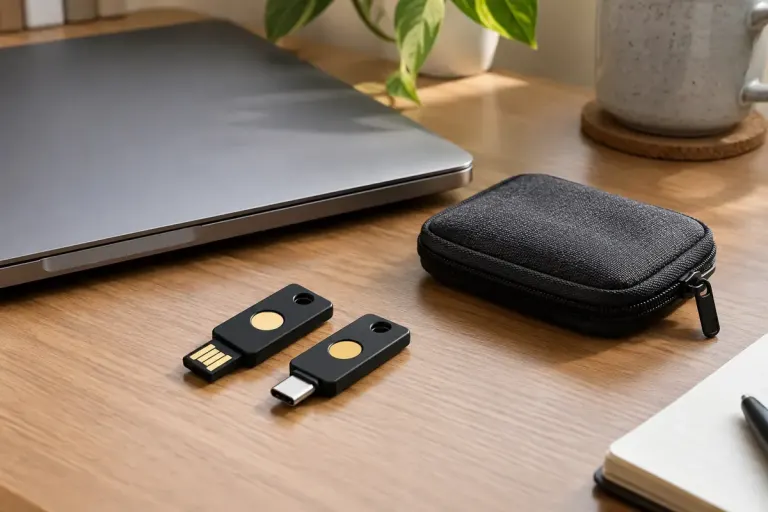
Buying a spare security key is not enough. Register and test it with each supported account, then store it separately from your everyday key.
DNS over HTTPS encrypts the lookup between a browser and its DNS resolver. Understand what that protects and what it does not hide about browsing.

DKIM authenticates a signing domain and protected message content. It does not prove that an email’s request is honest or that the named sender authorised it.